
Google Ads vs. Meta Ads:
Which One Gives You Better ROI?
If you’ve ever dipped your toes into online advertising, this question has probably crossed your mind: should I go with Google Ads or Meta Ads (Facebook and Instagram)? Which one gives better results for my money? Where should I be investing my ad budget?
The truth is, both platforms are powerful in their own way. But how well they work for you depends entirely on your business, your goals, and the kind of audience you’re trying to reach. Let’s break this down in a simple and practical way so you can make the right decision for your next campaign.
Understanding the Basics
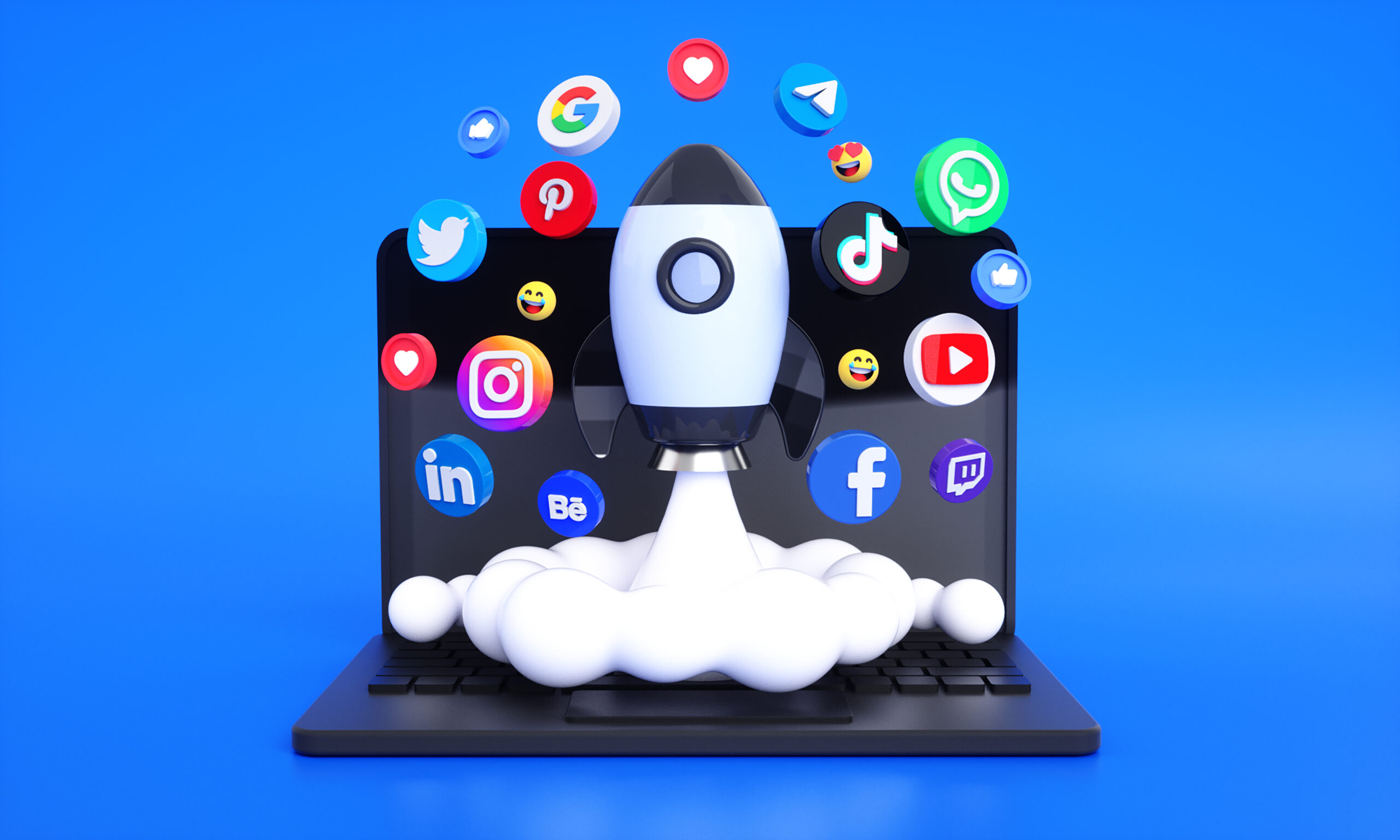
Google Ads and Meta Ads work very differently, and that’s why the ROI you get from each can vary. Google Ads allows you to show up when someone actively searches for something like “digital marketing agency in Toronto” or “best running shoes.” It’s great for catching people right when they’re looking for a solution.
On the other hand, Meta Ads show your content to people while they’re scrolling through Facebook or Instagram. They’re not necessarily looking for your product or service at that moment, but if the content is eye-catching and relevant, they might stop, pay attention, and even take action. It’s more about sparking interest than catching someone already in buying mode.
When Google Ads Delivers Better ROI
Google Ads tends to deliver better ROI when your audience already has strong purchase intent. For example, if someone searches for “emergency dentist near me,” they’re clearly ready to book an appointment right away. If your ad appears at the top of that search, chances are they’ll click and convert. That’s why Google Ads is ideal for service-based businesses, local professionals, or high-ticket items where people are likely to research before making a decision.
It’s also useful when time is a factor. If you need quick results—say, during a seasonal promotion or an urgent offer Google Ads can drive fast traffic and leads, especially if your keywords are highly targeted.

When Meta Ads Perform Better
Meta Ads tend to do well when your goal is to build brand awareness, promote visually appealing products, or retarget people who have already interacted with your business. Since people aren’t searching for something specific, you need to grab their attention with strong visuals and clear messaging. If your product or service solves a problem they didn’t even know they had, Meta Ads can help you introduce that solution in a compelling way.
For example, a skincare brand might use Instagram ads to showcase before-and-after results or product tutorials. These ads don’t rely on intent—they rely on intrigue and storytelling. And once people engage with the brand, you can continue retargeting them with follow-up ads, limited-time offers, or testimonials.
What About the Cost?
When it comes to cost, Google Ads usually has a higher cost per click. That’s because you’re targeting people who are ready to buy, and advertisers are bidding on those high-intent keywords. But don’t let that scare you—those clicks can convert faster, which means your return on ad spend can still be strong.
Meta Ads typically have a lower cost per click, but they may require more time and nurturing before someone becomes a customer. That’s why it’s important to have a clear funnel in place when using Meta: attract, engage, and then convert.
Which One Is Easier to Use?
If Reels are flashy, Carousels are thBoth platforms require some setup and strategy. Google Ads involves keyword research, bidding strategies, and understanding how search terms work. Meta Ads, while slightly more visual and user-friendly, still need thoughtful targeting, creative design, and testing. If you’re new to advertising, both can feel overwhelming at first—but with the right guidance, both can deliver great results.e slow burn. In 2025, educational, story-driven carousels are massively engaging—especially for brands.
Why? Because they keep people scrolling, which signals to Instagram that your post is interesting.
Ideas for Carousel Posts:
- 5 Tools Every Small Business Needs in 2025
- A Day in the Life of a Social Media Manager
- Before & After: Our Rebrand Journey
Make your first slide attention-grabbing and your last one saveable.

So, Which One Should You Choose?
Here’s the honest answer: It depends on your business goals. If you need direct sales from people actively looking for your service, Google Ads is likely the better choice. If you’re building a brand, growing a community, or selling a product that looks great in photos and videos, Meta Ads might give you better value.
The best approach, though, is often a mix of both. Use Google Ads to catch the ready-to-buy crowd, and use Meta Ads to build awareness, nurture interest, and retarget warm leads. Many successful brands combine both to get the best of both worlds.
Final Thoughts
ROI isn’t just about picking the right platform. It’s about having the right message, targeting the right audience, and showing up at the right time. At SILTA, we help businesses do just that, using both Google and Meta platforms strategically to turn ad spending into real, measurable results.
If you’re not sure where to start or how to divide your budget, we’re here to help. Let’s take the guesswork out of digital advertising and build a campaign that works for your business.